

Failure
The horseshoe theory of success and failure

In politics, the horseshoe theory says that the far-left and the far-right are closer to each other than either is to the political center.
As diagrammed below, rather than being at opposite ends of a linear political spectrum, those residing in the extremes share more in common than they think.
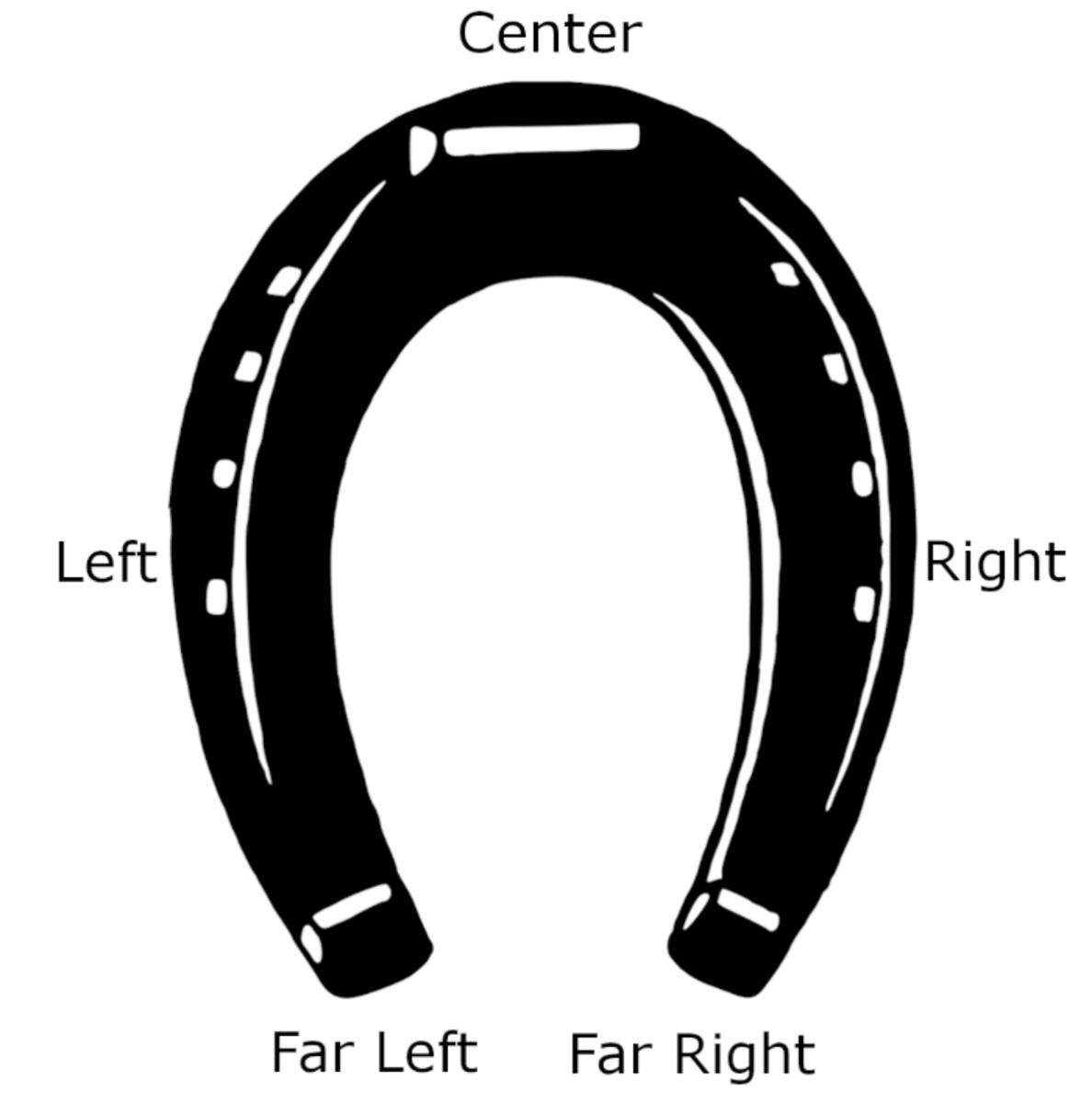
In politics, these commonalities include a distrust of mainstream institutions, anti-establishment rhetoric, and the use of populist appeals.
So, how does this relate to the title of this post?
Let me insert my own diagram.
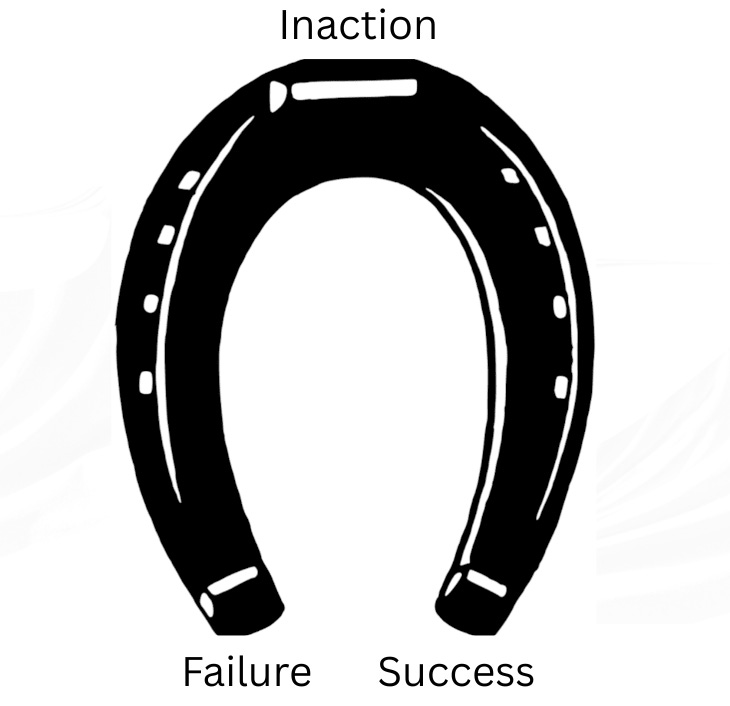
We’ve become conditioned to believe that failure is the opposite of success; that they are on opposing ends of a linear spectrum. In reality, the two share many commonalities.
Both are contingent and never absolute.
Both arise from desire and effort as we strive toward a goal.
Both are part of the process as we look to create, seek, and live with meaning.
But most importantly, we should not let either define us.
As the late Argentine poet Antonio Porchia wrote, “He who makes a paradise of his bread makes a hell of his hunger.”

As hard as it may be, disassociate with your results (that is, ONLY if you are truly giving an earnest effort toward success).
Understand that you are not your successes, nor are you your failures.
To chase one is to risk the other, and to experience both is to live fully. Just by entering the arena, you’ve beaten 95% of the “competition”.
The Stoics would say success and failure are equally “indifferent”, as many of these outcomes rely on external factors. And, to return to Antonio Porchia, it is our job to celebrate success without arrogance and to experience failure without hopelessness.
As J.K. Rowling writes, “It is impossible to live without failing at something, unless you live so cautiously that you might as well not have lived at all — in which case, you fail by default.” Thus, defining the “inaction” middle ground of the horseshoe.
You can’t win if you don’t play.
If you can compartmentalize every failure as a step closer to success—or, even better, entirely disassociate yourself from your results—your relationship with action and outcomes will become healthier and more productive.
I challenge you to take just one task this weekend—something that can be tangibly measured (i.e., a mile time, steps in a day, pages written/read)—and focus on your effort instead of your results.
Do not look at your results until the end of the day; instead, commit to giving 100% effort to the activity.
Notice how you feel when looking to see if you “succeeded” or failed” in reaching your goal. Did you set a goal at all?
Success does not last. Failure is not fatal. Take solace in your effort only.
“No human ever became interesting by not failing. The more you fail and recover and improve, the better you are as a person. Ever meet someone who’s always had everything work out for them with zero struggle? They usually have the depth of a puddle. Or they don’t exist.” — Chris Hardwick